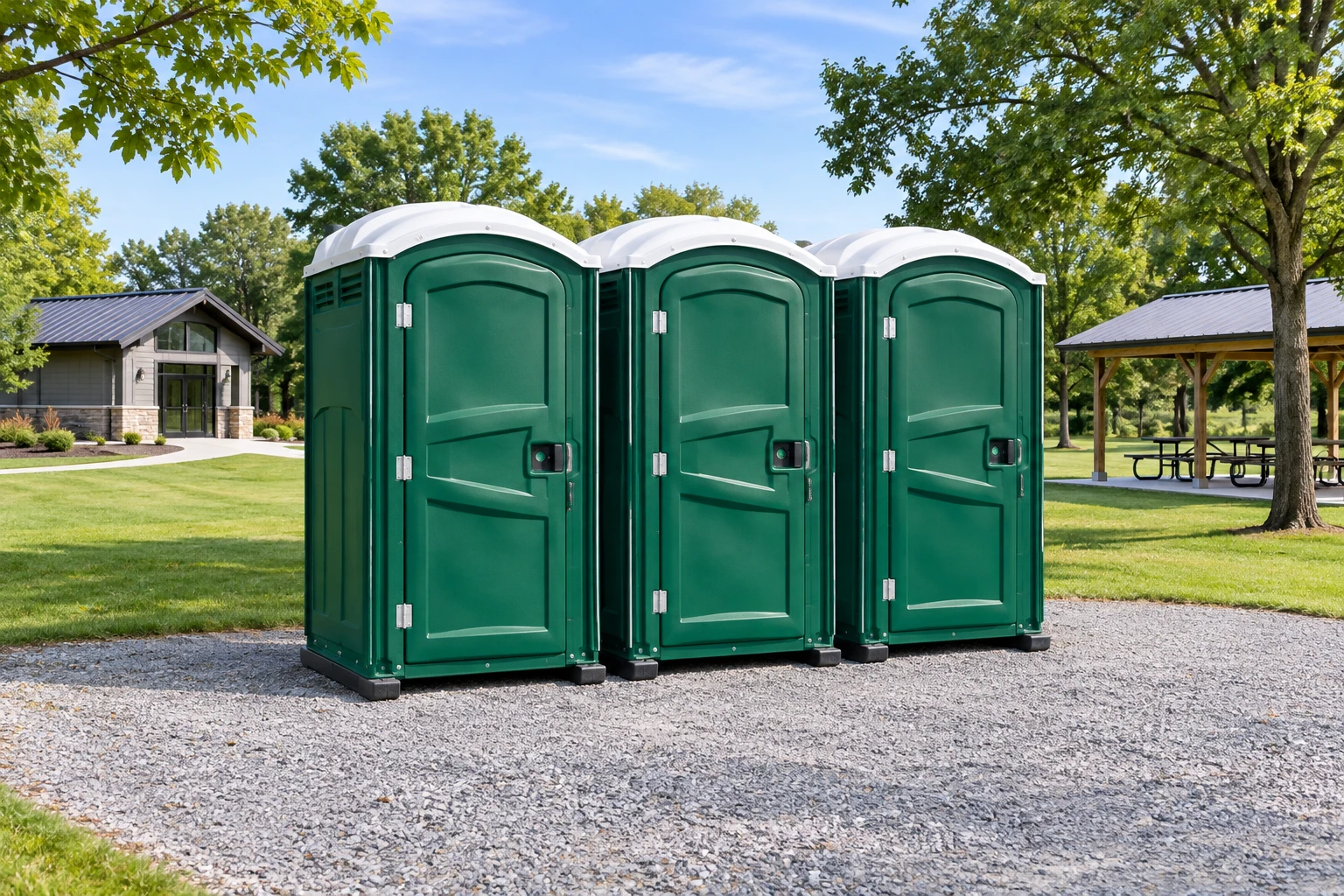
Know the equipment.
Plan the practical part.
Start with the project and the crew
Share the full address, planned start, expected duration, daily workers, and shift pattern. Include subcontractor peaks and times when indoor facilities are unavailable. Explain whether residents, staff, or customers continue using part of the property. The practical working picture helps connect equipment and service to the project over time rather than only to its first day.
Reserve an approved equipment area
Find a firm, level position with the property or site lead before materials and machinery take the space. Consider user routes, deliveries, plant movement, temporary structures, and storage. Include washing and accessible options while the layout remains flexible. A corner that appears convenient during planning may have another job once the working site is fully occupied.
Provide clear service-entry instructions
Give the correct gate or driveway alongside the street address. Describe access hours, sign-in, turns, overhead obstacles, surfaces, and restrictions on vehicles. Name the person who can coordinate entry during work. Keep scheduled servicing and final collection in the access discussion as well as delivery, since the equipment needs to remain reachable after the initial setup is complete.
Review the arrangement at phase changes
Fencing, excavation, paving, and different work zones can alter restroom placement and the approach needed for service. Explain anticipated stages and ask how proposed equipment moves should be handled. Review quantities and visits when staffing or shifts change. Avoid moving units independently or allowing materials, parked equipment, and temporary storage to block the agreed route before a visit.
Confirm the included servicing
Ask about cleaning, waste removal, supplies, replenishment, and visits covered by the quote. Explain when service vehicles can enter without disrupting operations. Ask how additional equipment, extra visits, and extensions would be arranged and charged if requirements change. Keep an on-site contact responsible for communicating access updates, heavier use, and revised dates before the original plan is affected.
Include pickup in the project closeout
Tell the team about handover dates, final work, gate closures, and deadlines for clearing temporary equipment. Make sure collection can still reach the restroom area after the crew leaves. Review equipment, transportation, rental period, service, pickup, and total pricing together. If the schedule moves, call to discuss the available arrangements instead of assuming the original rental automatically continues.