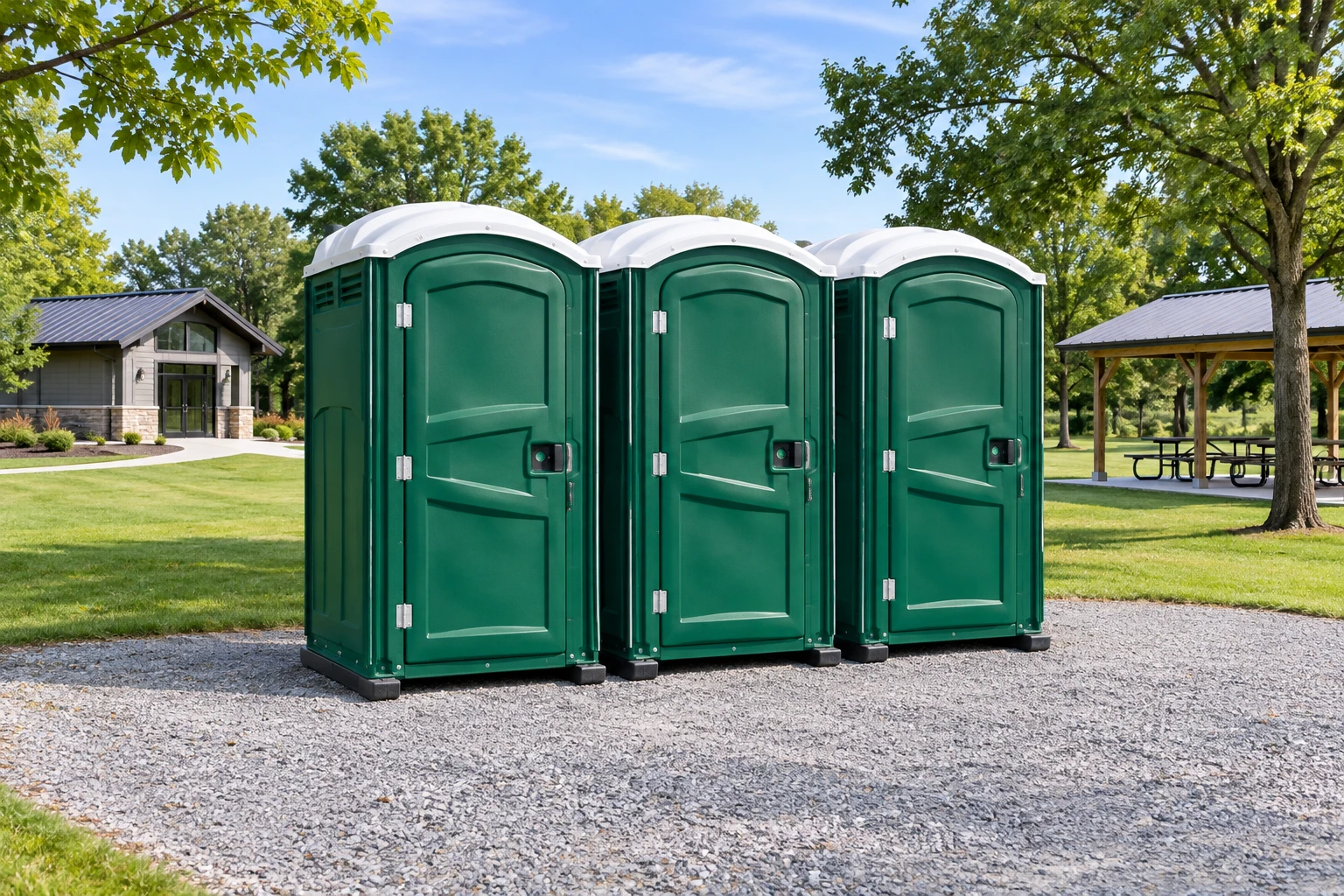
Know the equipment.
Plan the practical part.
Describe the access needs first
Tell the rental contact about the intended users and the type of property or occasion. Ask which accessible equipment can be offered for the address and dates. Review the actual model dimensions, entry arrangement, internal layout, and relevant features. An equipment category does not establish whether every unit and installation fit the needs of a particular user, event, or working site.
Follow the path people will take
Consider the route from parking, entrances, work areas, or event seating to the facilities. Explain steps, gradients, gravel, soft surfaces, and narrow passages. Mention paths shared with vehicles or temporary work. Raise these details while placement and the wider layout can still be adjusted. The property representative should confirm the requirements that apply to the proposed setup.
Reserve space around the unit
Ask about the footprint, entry area, door movement, and circulation needed for the equipment offered. Keep those areas available after delivery. Share the approved position with workers, setup teams, or suppliers so parking, tables, cables, and materials do not block it. A route that looks suitable during a visit needs to stay useful when the property is occupied.
Coordinate washing and any trailer option
Discuss the position of washing facilities and the route between them and the restrooms. If a trailer is also being compared, review its particular access features separately. Include permanent facilities that remain open to users. Look at the complete arrangement with confirmed equipment specifications rather than relying on a category name to answer all practical access questions.
Plan for changes after setup
New fencing, changing work zones, vendor activity, or surface conditions can affect the original approach. Identify someone who can notice obstructions and coordinate proposed changes with the rental team. Ask before moving equipment. For a longer rental, keep both user access and the service entrance in the ongoing plan so concerns can be discussed while alternatives remain available.
Review the final details together
Give the full address, dates, expected use, approved placement, and vehicle-entry instructions. Ask which specifications can be provided and which requirements the project or venue contact needs to confirm. Discuss equipment, delivery, included service, collection, and the full quote. Bring up layout concerns early enough to review other available models or placement options before the schedule is fixed.